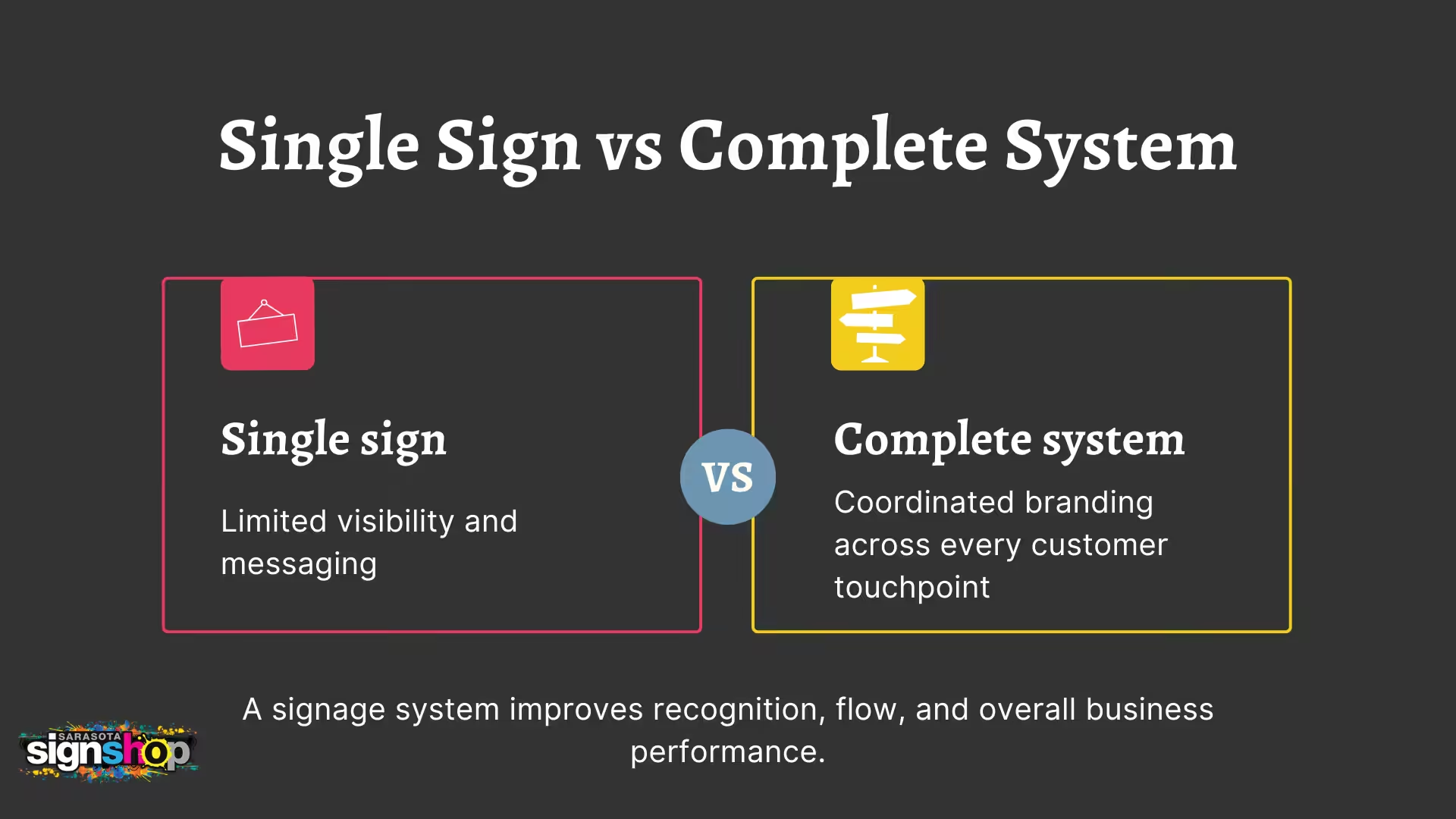
Most businesses start with a single sign and expect it to carry all visibility and branding needs. This is a common mistake, especially for new locations or growing companies. Visibility does not come from one sign. It comes from how multiple signs work together across a space and across customer touchpoints.
This is what a business signage system is designed to do. It connects exterior visibility, interior navigation, and brand consistency into one structured approach. Without that structure, businesses often end up with signs that do not fully support how customers find, enter, and move through a location.
Sarasota Sign Shop works with businesses across Sarasota, Lakewood Ranch, Bradenton, and Venice to design signage as a complete system, not isolated pieces. This article explains how that system works and why it performs better than single-sign approaches.
The Problem With Relying on Just One Sign
A single sign has a limited function. It might identify a business, but it rarely guides customers through the full experience.
The main limitation is visibility range. A storefront sign may only be seen from one direction or distance. It does not help customers once they arrive on site or inside the building.
Another issue is missed opportunity. A customer may see the sign, but without supporting signage, they may not know where to enter, park, or go next. This creates hesitation, and hesitation reduces traffic flow.
Inconsistent messaging is another problem. If there is only one sign, there is no reinforcement of branding elsewhere in the space. The result is weaker recognition and less impact over time.
A commercial signage strategy requires more than a single visual point. It requires multiple coordinated elements working together.
What a Complete Signage System Looks Like
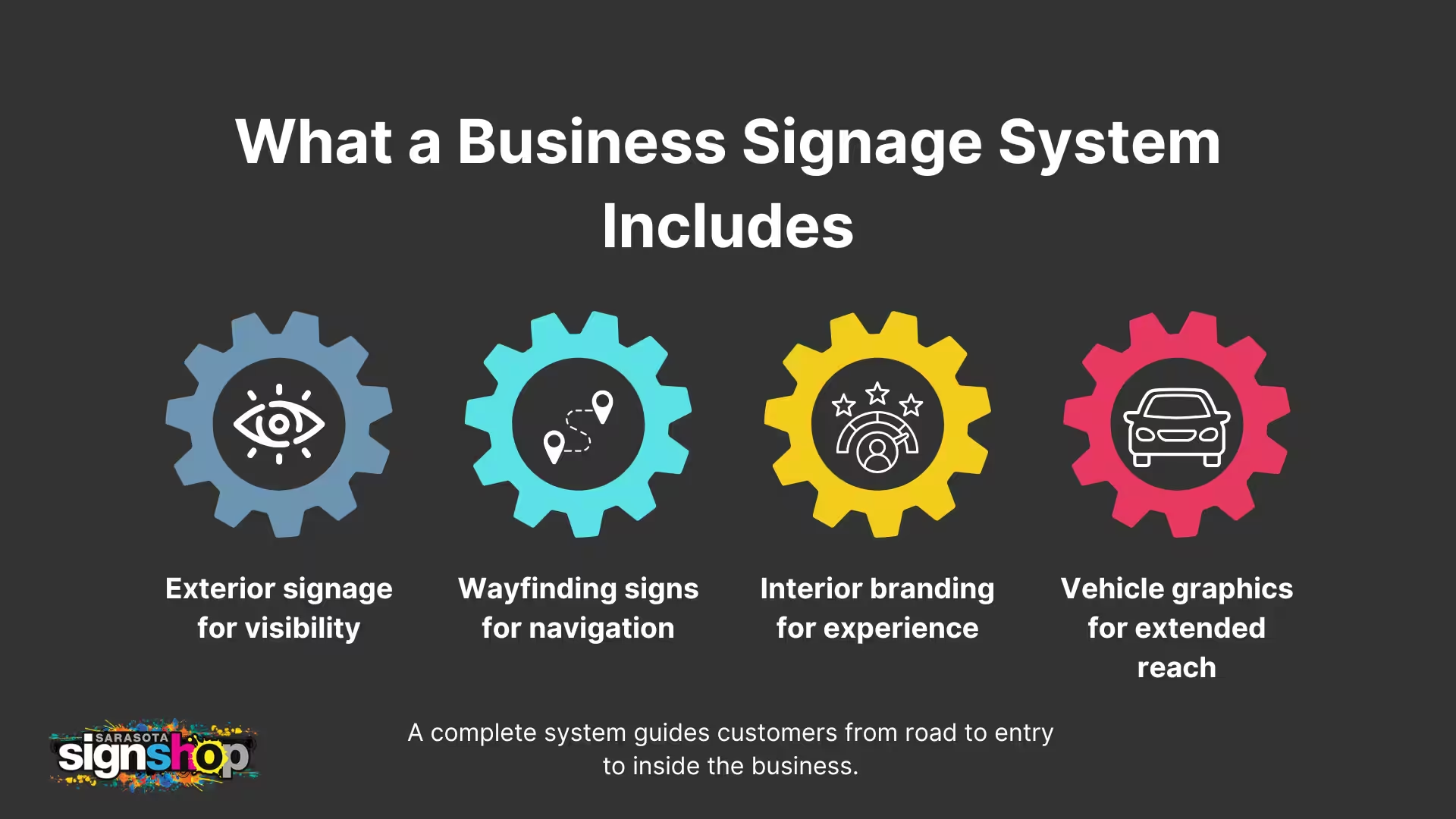
A complete signage system includes multiple types of signs, each serving a different role in the customer experience.
Exterior signage is the first layer. This includes storefront signs, monument signs, and building identification. Its role is visibility from the street and immediate recognition.
Wayfinding signs are the second layer. These guide customers through parking areas, entrances, and shared spaces. They reduce confusion and improve flow.
Interior branding is the third layer. This includes wall graphics, directional signage, and environmental branding inside the space. It reinforces identity after entry.
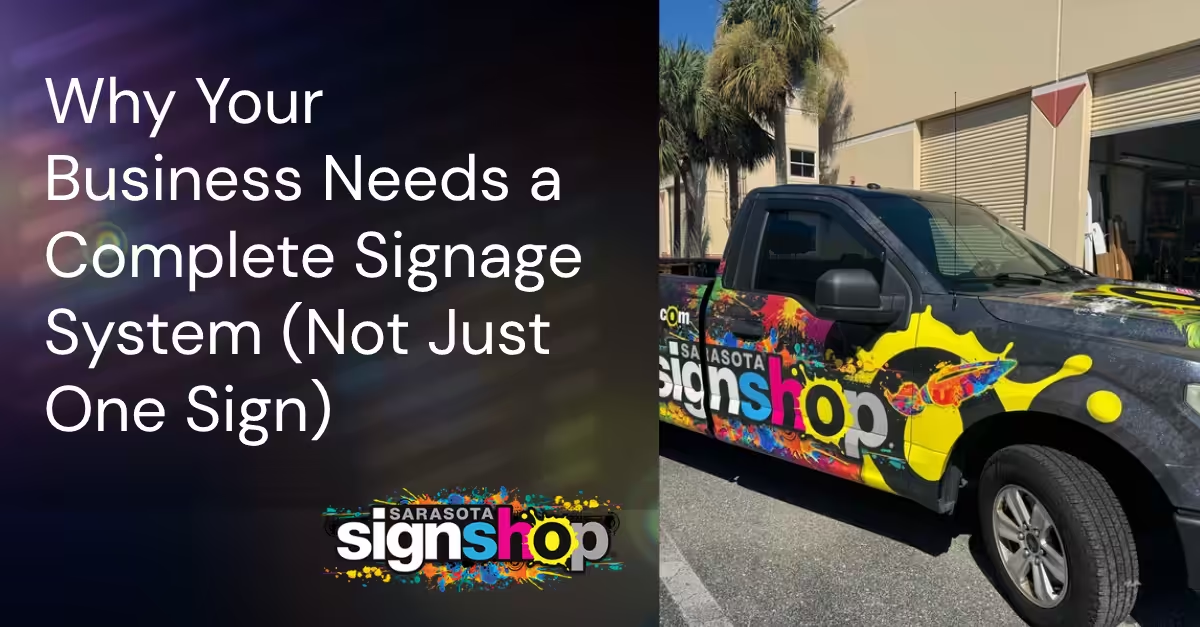
Vehicle graphics can also be part of the system. They extend visibility beyond the physical location and support awareness across Sarasota and surrounding areas.
When combined, these elements create a multi sign system that supports both marketing and customer experience.
How Different Signs Work Together
Each sign in a system supports the next step in the customer journey.
Road visibility brings attention to the business. This is usually handled by exterior storefront signage or monument signs.
Once a customer is aware, entry signage guides them into the correct location. This includes directional signs and parking indicators.
Inside the space, interior signage confirms they are in the right place and helps them navigate the environment. This reduces confusion and improves comfort.
When these elements work together, the signage becomes functional rather than decorative. It actively supports how people move through the business.
From Road to Door: The Customer Visibility Path
Most customers experience signage in a sequence, not all at once.
First is awareness from a distance. A sign must be visible from traffic flow, not just up close. This is where storefront and exterior signage plays a key role.
Next is direction. Once a customer decides to visit, they need guidance on where to park and how to enter. Without this step, potential visits can be lost.
Finally is confirmation at entry. Interior signage reassures customers they are in the correct place and helps them understand where to go next.
A complete system ensures there are no gaps in this path. Each stage supports the next.
Why Consistency Matters Across All Signage
Consistency is what connects all signage into a unified system.
Colors must match across exterior and interior signs. Fonts should remain consistent so branding is recognizable. Messaging should also align so customers receive the same impression at every point.
When consistency is missing, the customer experience feels disconnected. This can weaken trust and reduce recognition.
A strong system ensures that whether a customer sees a sign on the road, in a parking lot, or inside a building, they recognize it as part of the same brand.
The Advantage of Planning Signage as One Project
Planning signage as a complete system instead of individual pieces leads to better outcomes.
Layout decisions become more efficient because all signs are considered together. This avoids conflicts between placement, visibility, and design.
It can also reduce long-term cost. Planning as a system prevents rework and reduces the need for adjustments later.
Most importantly, it creates stronger results. Customers experience the business in a structured and predictable way, which improves flow and recognition.
This approach is especially important for commercial developments and multi-location businesses across the Gulf Coast.
Why In-House Production Makes System Design Possible
A complete signage system requires coordination between design, production, and installation. This is where in-house capabilities matter.
Sarasota Sign Shop manages design, printing, and installation internally. This includes large format printing and production control using an EFI flatbed printer for consistent output across materials.
Laminating and contour cutting allow for durability and precision, especially for complex systems that include multiple sign types. These processes ensure that all pieces of a system match in color, scale, and finish.
In-house production also improves coordination. When everything is handled in one place, changes can be managed quickly and consistently.
This matters in real-world projects where storefront signs, interior graphics, and directional signage must all align visually and functionally.
Common Mistakes Businesses Make With Signage
One common mistake is ordering signs one at a time without considering how they work together. This leads to gaps in visibility and inconsistent branding.
Another issue is inconsistent design. Different fonts, colors, or styles weaken recognition and reduce overall impact.
Poor placement planning is also common. Even well-designed signs fail if they are not positioned correctly within the space.
Some businesses also focus only on immediate needs and ignore long-term expansion. This can make future additions more difficult and less consistent.
A system-based approach helps avoid these issues by planning everything together from the start.
When a Signage System Makes the Biggest Difference
A complete signage system is most important in certain situations.
New business openings benefit because they need immediate visibility and clear customer flow from day one.
Multi-location businesses rely on consistency across different sites to maintain brand recognition.
Commercial developments need coordinated signage for multiple tenants and shared spaces.
High-traffic retail locations also benefit because clear navigation improves customer experience and reduces confusion.
In all of these cases, signage works best as a system, not as individual elements.
Conclusion
Effective business signage Sarasota projects start with proper planning rather than isolated decisions about individual signs. When businesses invest in custom signs Sarasota, the goal is not just appearance but real-world sign visibility from different distances and viewing angles. This is where signage planning becomes critical, because placement, size, and location all determine whether a sign actually performs in daily conditions.
Strong planning also ensures brand consistency signage across exterior and interior environments, so customers experience the same visual identity from the street to the point of entry. Without this consistency and planning, even high-quality signs can feel disconnected and reduce overall impact.
A business signage system is more than a collection of signs. It is a structured approach to visibility, navigation, and branding that works across the entire customer experience.
Instead of focusing on one sign, businesses that plan multiple coordinated elements see better consistency and clearer communication.
Sarasota Sign Shop helps businesses build these systems using in-house design, production, and installation to ensure every piece works together. If you are planning signage for a new or existing location, a system-based approach will deliver stronger long-term results.
Request a consultation or signage plan to get started.