One of the most common questions businesses ask is how long a sign project will take. The answer is not always simple because signage is not a one-step process.
A typical project moves through design, planning, production, and installation. Each phase has its own timeline and requirements. The total time depends on the type of sign, materials, site conditions, and approvals.
A professional Sarasota sign shop follows a structured process to keep projects organized and predictable. When each step is handled properly, timelines become easier to manage and delays are reduced.
This article explains what to expect at each stage of a signage project and what factors influence the overall schedule.
Overview of the Full Sign Project Timeline
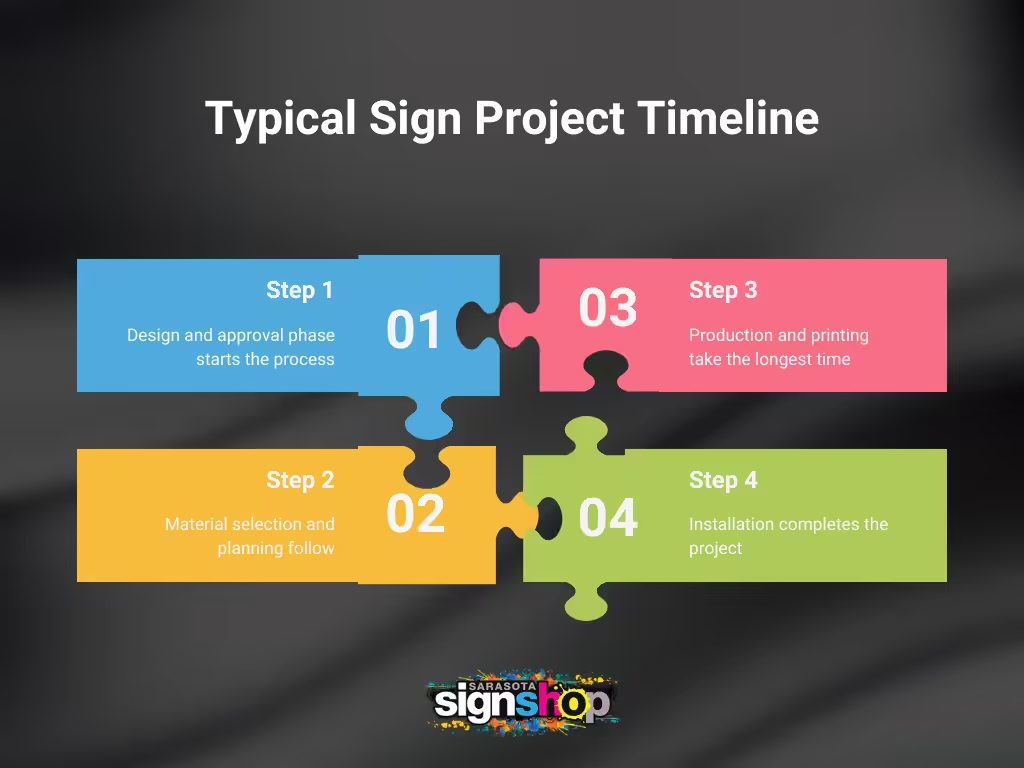
Every signage project follows a general structure. While the exact timing varies, most projects include three main phases.
First is the design phase. This is where the concept is created and approved.
Second is the production phase. Materials are selected, printed, and fabricated.
Third is the installation phase. The sign is delivered and installed on-site.
This full business signage process ensures the final product is accurate, durable, and properly placed. Each phase builds on the previous one, so delays early in the process can affect the final timeline.
For most custom signs Sarasota, the entire process can range from a few weeks to several weeks depending on complexity.
Design Phase Timeline
The design phase is the starting point for every project.
This stage includes:
- Initial concept development
- Layout and sizing
- Color and branding alignment
- Revisions and adjustments
- Final approval
For simple signage, design may take a few days. For more complex projects such as a storefront sign Sarasota or multi-location branding, it may take one to two weeks.
The timeline depends on how quickly feedback is provided. Projects move faster when:
- Clear branding is available
- Fewer revisions are needed
- Decision makers respond quickly
A common delay occurs when design direction is unclear. For example, if a business is still deciding on branding or messaging, the design phase may extend.
On average, industry data suggests that design and approval account for 20 to 30 percent of the total sign timeline.
Material Selection and Planning
Before production begins, materials must be selected and the project must be planned.
This step includes:
- Choosing substrates and finishes
- Matching materials to indoor or outdoor use
- Reviewing mounting surfaces
- Confirming measurements
Material selection affects both durability and production time. For example, illuminated signs or specialty materials may require longer preparation.
Planning also includes reviewing site conditions. A sign mounted on glass will require a different approach than one installed on concrete or stucco.
This phase is often completed alongside design approval and typically takes a few days, depending on project complexity.
Production and Printing Timeline
Production is where the sign is physically created.
This stage includes:
- Printing graphics
- Fabricating structural components
- Laminating or finishing materials
- Quality control checks
The sign production time depends on the type of sign.
Examples:
- Simple vinyl graphics may take a few days
- Large format signage or fabricated signs may take one to three weeks
- Complex builds with multiple components may take longer
For commercial signs Sarasota, production quality is critical. Rushing this step can lead to errors or reduced durability.
In-house production can reduce delays because adjustments can be made immediately. Outsourced production may add additional time due to coordination and shipping.
According to industry averages, production typically represents 40 to 50 percent of the total project timeline.
Permitting and Approvals
Some signage projects require permits before installation.
This is common for:
- Exterior storefront signs
- Monument signs
- Illuminated signs
Permitting requirements vary by location, including Sarasota, Lakewood Ranch, Bradenton, and Venice.
The approval process may include:
- Submitting design plans
- Meeting local code requirements
- Waiting for municipal review
Permitting can take anywhere from a few days to several weeks depending on the project and local regulations.
This step can run parallel to production in some cases, but delays in approval can impact installation scheduling.
Understanding permit requirements early helps avoid unexpected delays.
Installation Scheduling and Execution
Once production is complete and approvals are in place, installation is scheduled.
Installation includes:
- Coordinating access to the site
- Preparing the installation area
- Mounting the sign securely
- Final adjustments and inspection
The time required for sign installation Sarasota depends on the type of sign.
Examples:
- Window graphics may take a few hours
- Wall signage may take one day
- Large exterior signs may take one to two days or more
Scheduling can also affect timing. Installation may need to align with:
- Business hours
- Property management rules
- Weather conditions
Proper planning ensures installation is completed efficiently and safely.
What Can Delay a Sign Project
Several factors can extend the timeline of a signage project.
Common causes include:
- Missing or incomplete project details
- Multiple design revisions
- Delays in approvals or permits
- Material availability issues
- Site access challenges
- Weather conditions for outdoor installs
For example, a project that starts with limited information may require multiple follow-ups before design can begin.
Another example is a sign that requires landlord approval. If approval is delayed, the entire schedule shifts.
Compared to a well-planned project, one with unclear scope or changing requirements can take significantly longer.
How to Keep Your Sign Project on Schedule
There are practical steps businesses can take to improve timelines.
Provide clear project details at the start:
- Type of sign
- Approximate size
- Installation location
Respond to design proofs promptly. Delays in feedback often slow down progress.
Confirm deadlines early. If a sign is needed for a grand opening or event, sharing that date helps guide scheduling.
Work with a provider that has a structured process. A clear workflow reduces confusion and keeps the project moving.
For custom signs Sarasota, communication and planning are the most effective ways to maintain a predictable timeline.
Conclusion
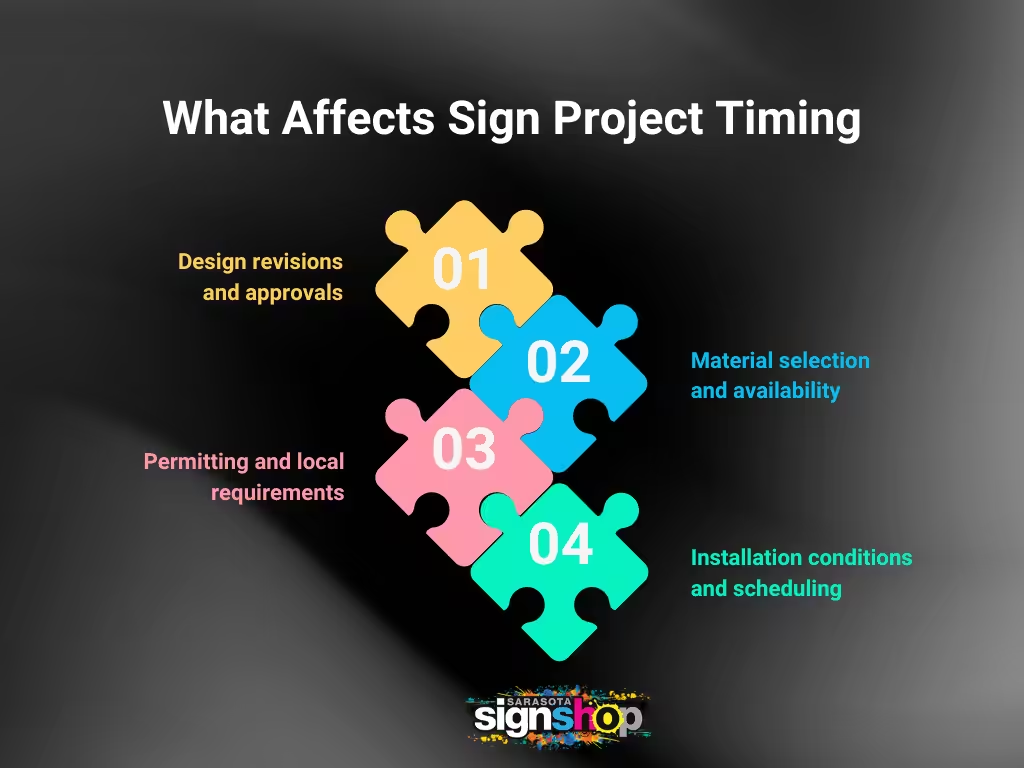
The time it takes to design, produce, and install a sign depends on several factors. These include design complexity, material selection, permitting, and installation conditions.
A structured process helps keep projects organized and reduces delays. Each phase plays a role in the final outcome.
Working with a professional Sarasota sign shop ensures that timelines are managed clearly and that each step is handled with attention to detail.
Understanding the full sign timeline allows businesses to plan ahead and avoid last-minute issues.
Contact Sarasota Sign Shop for a Quote Today
If you are planning a signage project and want a clear timeline from start to finish, you can request a quote or schedule a consultation with Sarasota Sign Shop.