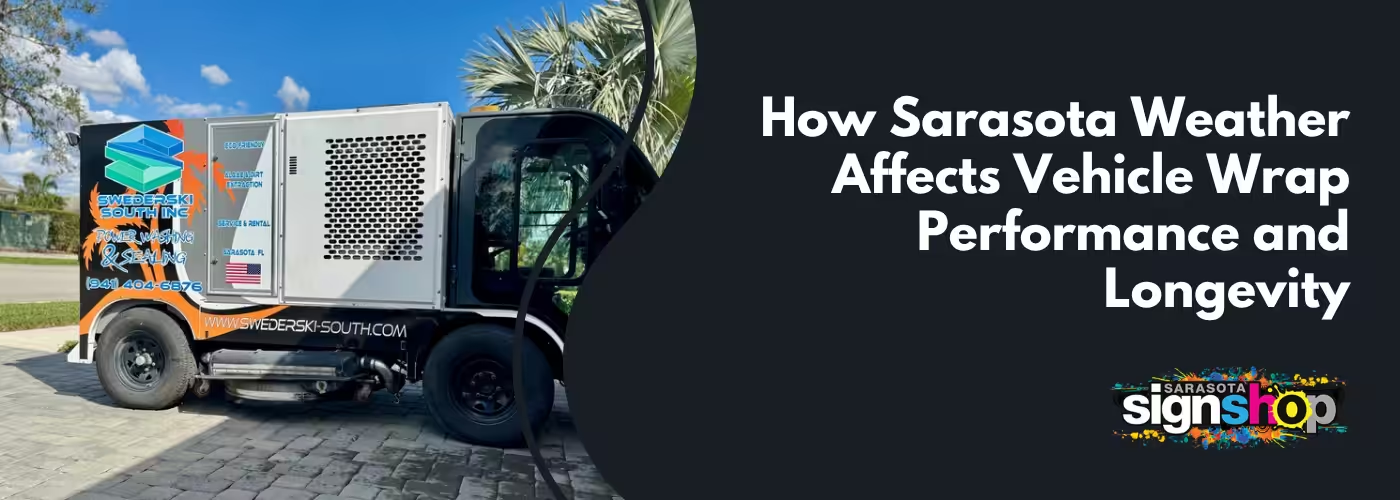
Florida is a demanding environment for any outdoor material. Vehicle wraps are constantly exposed to sun, heat, moisture, and road conditions. That makes climate a major factor in how they perform over time.
For businesses using vehicle wraps Sarasota, this matters. A wrap is not just a design. It is a material system that must hold up in real-world conditions across the Gulf Coast.
Sarasota’s combination of strong UV exposure, high temperatures, humidity, and coastal air can affect color, adhesion, and overall lifespan. Some wraps hold up well. Others fade, crack, or fail early.
This article explains how local weather impacts wraps, what materials perform better, and what businesses can realistically expect. It also covers how proper installation and maintenance improve long-term results.
Why Climate Matters for Vehicle Wraps
Vehicle wraps are exposed every day. Unlike indoor signage, they do not have protection from environmental conditions.
They sit in parking lots, drive through traffic, and remain outside for long periods. This creates constant exposure to sunlight, heat, and moisture.
In Florida, this exposure is more intense than in many other regions. UV levels are among the highest in the United States. According to environmental data, Florida regularly experiences UV index levels of 9 to 11 during peak months. That level accelerates material wear.
Humidity levels often exceed 70 percent. This adds moisture stress to adhesives and surfaces. Over time, that affects how well a wrap stays bonded.
Compared to a cooler, drier climate, wraps in Sarasota face more stress. This does not mean wraps fail. It means the process, materials, and maintenance matter more.
Sun and UV Exposure in Sarasota
Sunlight is the biggest factor affecting wrap appearance over time.
UV exposure breaks down pigments in printed graphics. This leads to fading and color shift. Bright colors like red and orange tend to fade faster than darker tones.
Studies in the signage and graphics industry show that unprotected prints can begin noticeable fading within 6 to 12 months in high UV environments. Laminated wraps perform much better but still experience gradual change.
UV also affects the vinyl itself. Over time, it can make the material more brittle. This increases the risk of cracking or edge lifting.
High-quality laminates are designed to block a large percentage of UV radiation. This slows fading and helps maintain color consistency.
For commercial vehicle wraps Sarasota, UV protection is not optional. It is a core part of durability.
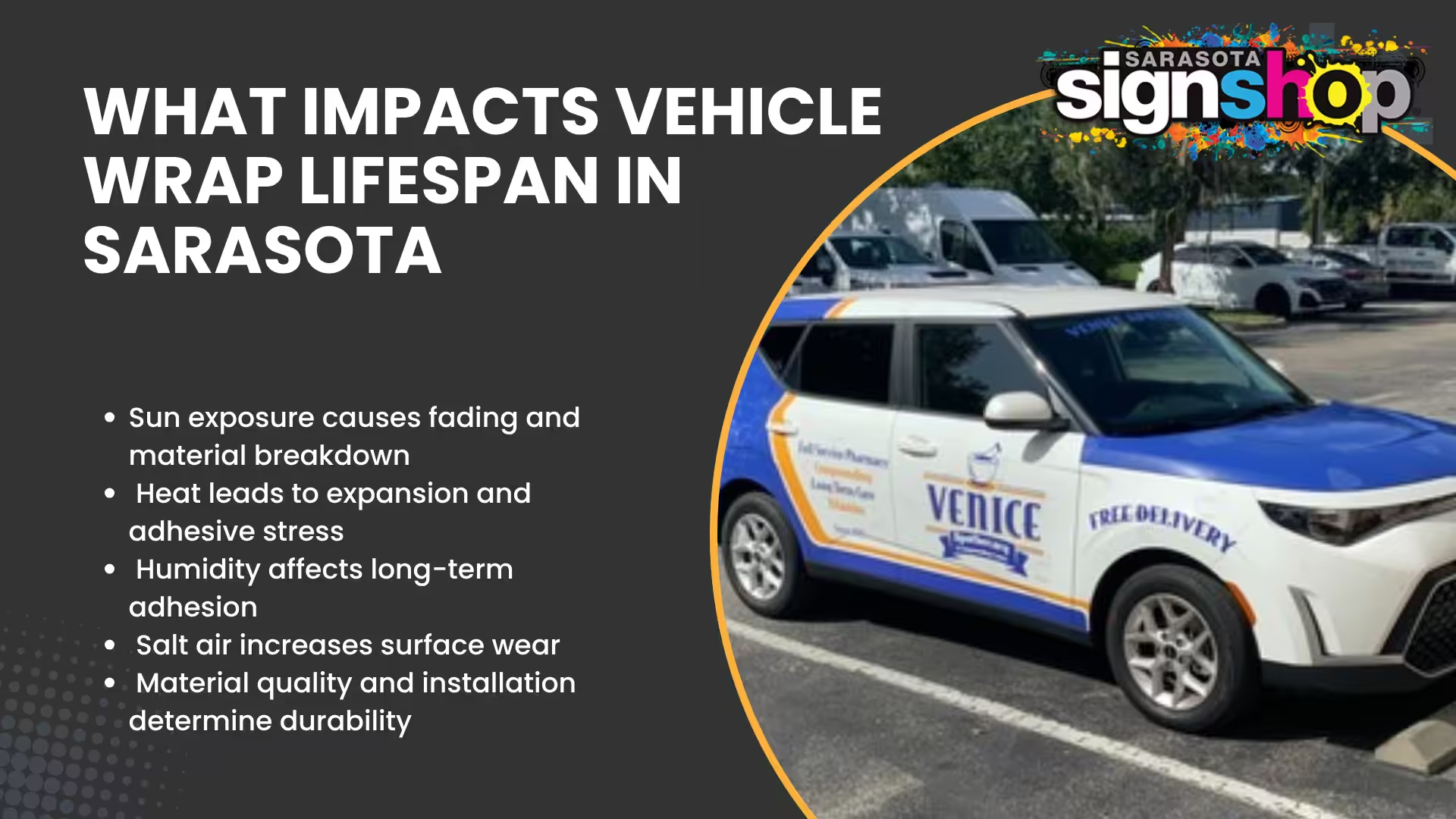
Heat and Temperature Fluctuations
Heat adds another layer of stress.
Vehicle surfaces can reach temperatures of 140 to 160 degrees Fahrenheit in direct sun. This causes the vinyl to expand.
At night or during rain, temperatures drop. The material contracts. This constant expansion and contraction puts stress on the adhesive.
Over time, this can lead to:
- Edge lifting
- Shrinkage around seams
- Increased tension on curved surfaces
Lower-quality vinyl is more affected by heat. It may shrink more and lose adhesion faster.
Higher-grade cast vinyl is designed to handle these changes. It maintains its shape better and reduces long-term stress.
This is one reason why material selection plays a major role in vehicle wrap durability Florida.
Humidity and Moisture Exposure
Humidity affects both installation and long-term performance.
Moisture in the air can interfere with adhesion if a wrap is installed in uncontrolled conditions. That is why professional installation environments matter.
Over time, humidity also contributes to wear. Moisture can work its way into edges or seams if they are not properly sealed.
Florida’s frequent rain adds to this exposure. Vehicles are regularly wet, which increases stress on the adhesive layer.
Compared to dry climates, wraps in Sarasota deal with more moisture cycles. This can shorten lifespan if materials or installation are not done properly.
Salt Air and Coastal Conditions
Sarasota’s Gulf Coast location introduces another factor: salt air.
Salt particles in the air can settle on vehicle surfaces. Over time, this contributes to:
- Surface wear
- Contaminant buildup
- Increased cleaning needs
While salt does not directly break down vinyl quickly, it can accelerate overall wear when combined with sun and moisture.
Vehicles closer to the coast or frequently driving near the water are more affected.
For fleet wraps Sarasota, this is important. Fleets that operate near coastal areas may require more frequent cleaning and maintenance.
How Material Quality Affects Longevity
Not all wrap materials perform the same.
The biggest difference is between cast vinyl and calendared vinyl.
Cast vinyl:
- Designed for long-term use
- Conforms to curves and complex surfaces
- Handles heat and expansion better
- Typically lasts 5 to 7 years in ideal conditions
Calendared vinyl:
- Lower cost
- More prone to shrinkage and failure
- Shorter lifespan
In Florida, this difference becomes more noticeable. Lower-grade materials may fail much sooner.
Lamination is also critical. A high-quality laminate:
- Protects against UV damage
- Adds scratch resistance
- Improves color retention
Without proper vinyl wrap longevity planning, even a well-designed wrap can degrade quickly.
Installation and Preparation Factors
Installation quality has a direct impact on how a wrap performs.
Proper surface preparation is essential. This includes:
- Cleaning
- Degreasing
- Removing wax and contaminants
If the surface is not properly prepared, adhesion will be weaker from the start.
Professional installation also includes:
- Controlled temperature conditions
- Proper tension during application
- Correct seam placement
- Post-heating to set the vinyl
Post-heating is especially important. It locks the material into place and reduces the chance of lifting later.
Poor installation can shorten the lifespan of even high-quality materials.
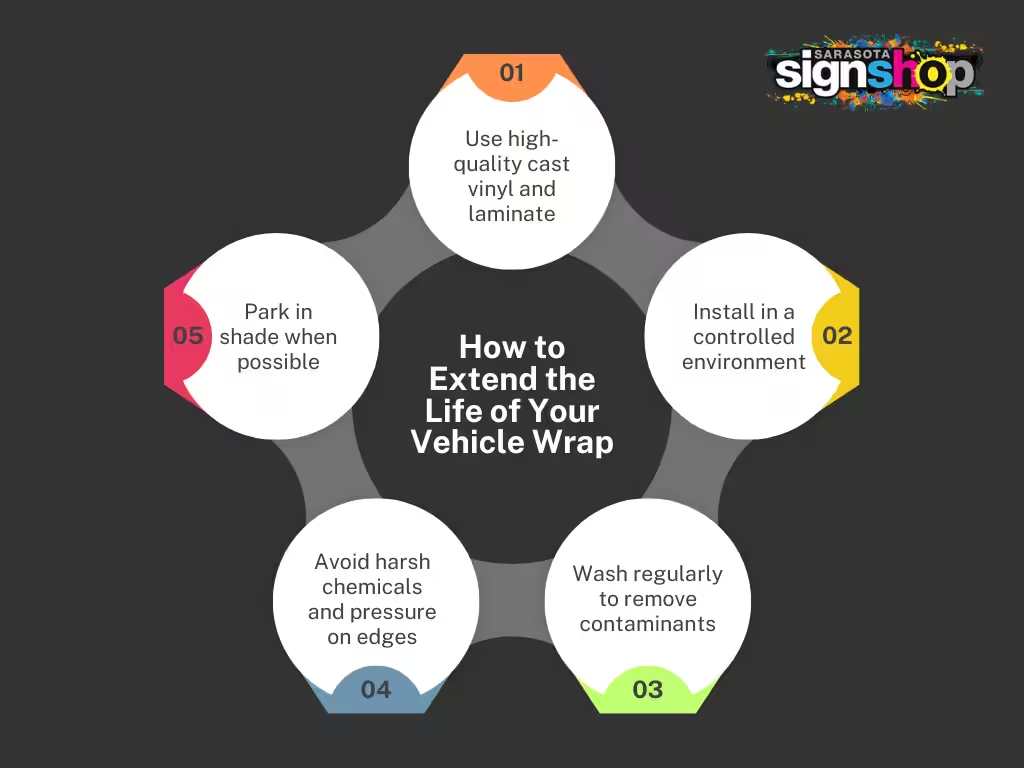
How to Maintain a Vehicle Wrap in Sarasota
Maintenance plays a major role in wrap performance.
Basic care steps include:
- Regular washing to remove dirt and salt
- Avoiding harsh chemicals
- Limiting high-pressure washing near edges
- Parking in shaded areas when possible
The first 48 hours after installation are important. During this time, the adhesive continues to set.
Industry guidance suggests that consistent cleaning can extend the life of a wrap by 20 to 30 percent compared to neglected surfaces.
For wrap maintenance Florida, simple habits make a difference over time.
What Businesses Can Expect From a Wrap in Sarasota
A common question is how long wraps last in this environment.
In general:
- High-quality wraps with proper installation can last around 5 to 7 years
- Lower-grade materials may last 2 to 3 years
- Heavy daily use can reduce lifespan
There is no single number that applies to every situation. Factors include:
- Sun exposure
- Driving frequency
- Maintenance habits
- Material quality
For example, a contractor vehicle parked outside all day will experience more wear than a vehicle stored indoors at night.
A well-maintained wrap on a lightly used vehicle will hold its appearance longer.
Understanding Sarasota vehicle wrap lifespan helps set realistic expectations.
Conclusion
Sarasota weather has a direct impact on how wraps perform.
Sun exposure, heat, humidity, and salt air all contribute to wear over time. These factors affect color, adhesion, and overall durability.
For businesses using vehicle wraps Sarasota, long-term performance depends on three main factors:
- Material quality
- Installation process
- Ongoing maintenance
When these are handled correctly, wraps remain a reliable branding tool even in a demanding climate.
Contact Sarasota Sign Shop Today
If you are considering vehicle wraps in Sarasota and want a solution built for local conditions, you can request a quote or schedule a consultation with Sarasota Sign Shop.