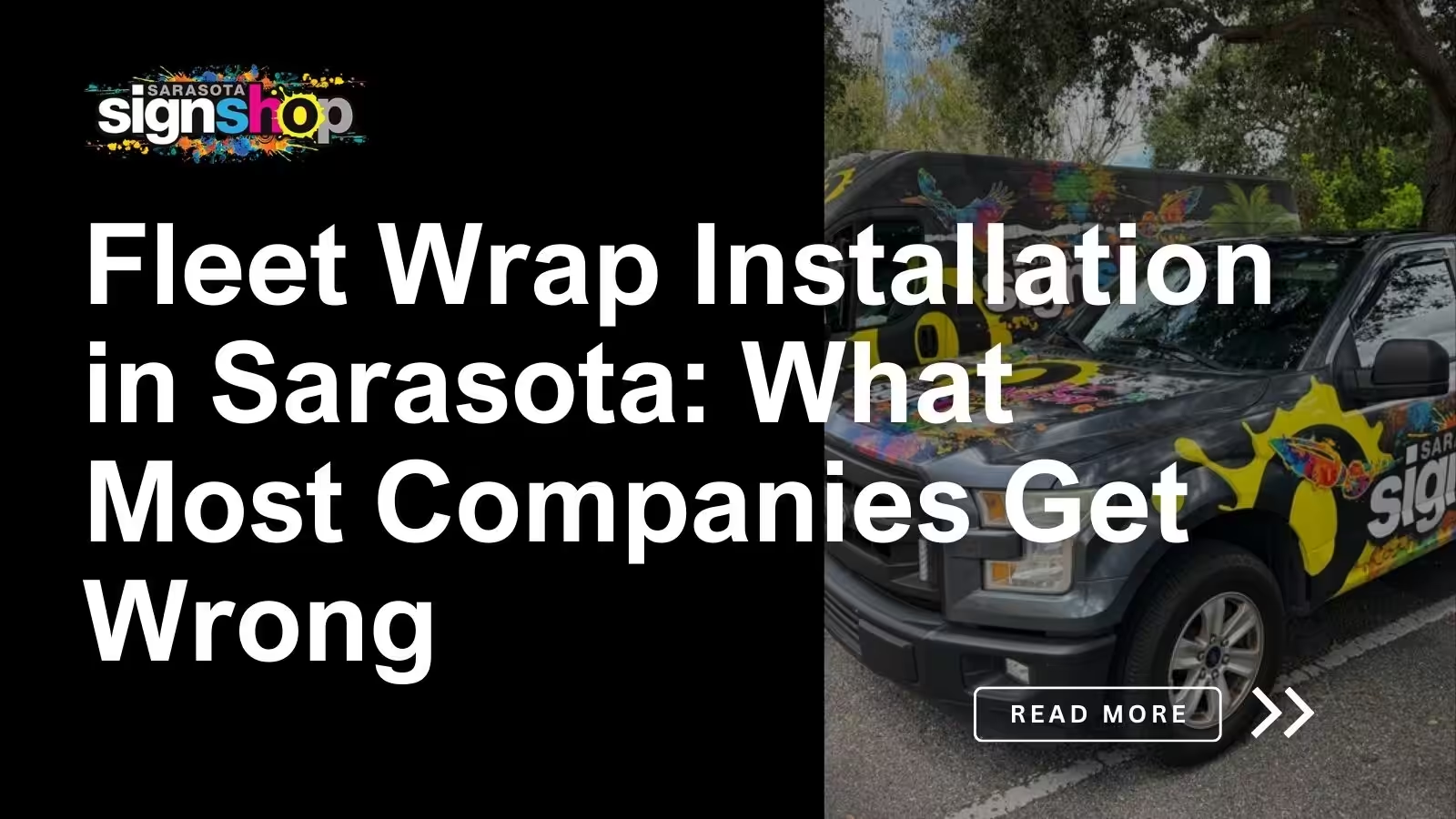
Most fleet wrap failures aren’t caused by bad design — they’re caused by poor installation. In Sarasota’s heat, humidity, and intense UV exposure, even small installation mistakes can lead to peeling edges, bubbling, lifting seams, and premature fading. A vehicle wrap that looks great on day one may begin failing within months if the installation process isn’t handled correctly.
For businesses using fleet vehicles Sarasota companies rely on every day — HVAC vans, plumbing trucks, delivery vehicles, or contractor fleets — wraps act as moving billboards that generate thousands of impressions daily. But when wraps fail early, the result is wasted marketing investment and an unprofessional appearance.
Florida’s climate accelerates installation mistakes, which is why experienced installers and controlled installation environments matter. Sarasota Sign Shop handles fleet wrap installation Sarasota businesses depend on in-house, ensuring every wrap is applied using professional standards that maximize durability and brand consistency.
Why Fleet Wrap Installation Is More Technical Than It Looks
Many people assume a vehicle wrap is simply a large sticker applied to a vehicle’s exterior. In reality, professional vinyl wrap installation Florida companies perform is a highly technical process requiring specialized materials, tools, and training.
Modern wraps are typically made from cast vinyl fleet wrap materials designed to stretch and conform to complex vehicle surfaces. Trucks, vans, and trailers all have unique shapes that installers must navigate carefully.
Common wrap challenges include:
- Curved body panels
- Door seams
- Rivets and trim pieces
- Wheel wells
- Deep body contours
Proper installation requires managing vinyl tension, heat, and adhesion simultaneously. Installers must also account for how the vinyl will behave over time once exposed to sunlight, temperature changes, and road conditions.
When wraps are installed correctly, they maintain their appearance for years. When installation shortcuts occur, problems can appear quickly.
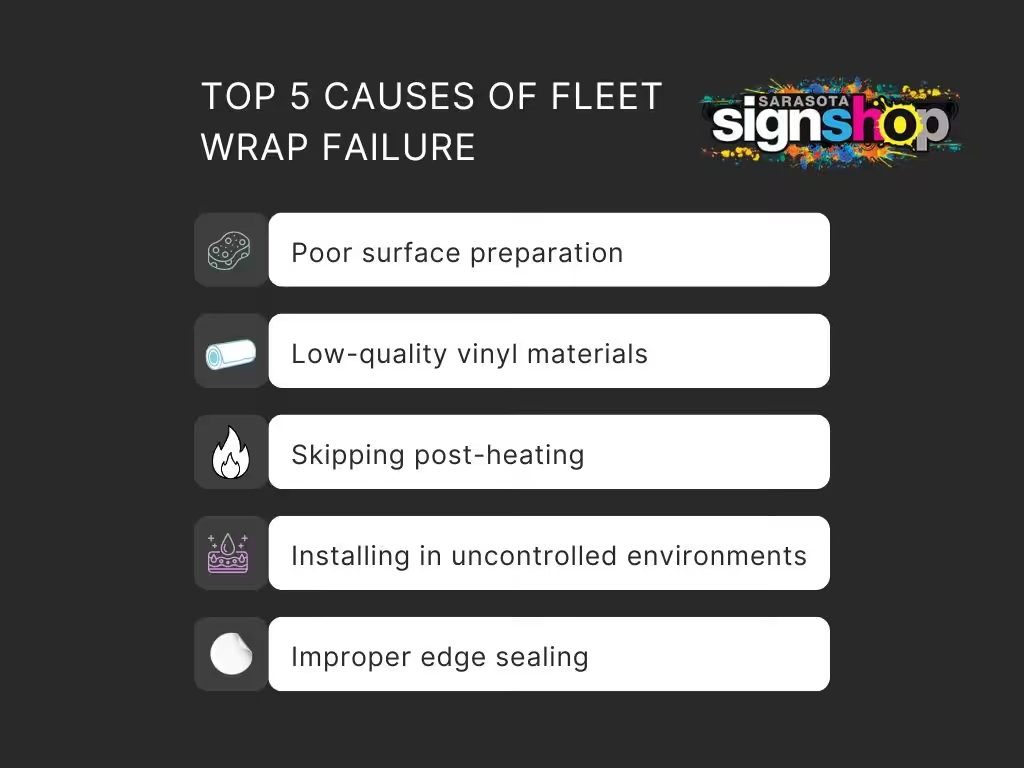
Mistake #1 – Poor Surface Preparation
Surface preparation is one of the most important — and most overlooked — steps in wrap installation process.
Before vinyl touches the vehicle, the surface must be completely clean and free of contaminants. Professional installers typically perform several preparation steps, including:
- Thorough washing
- Degreasing the paint surface
- Removing wax residue
- Eliminating silicone contaminants
Even small amounts of wax or cleaning residue can prevent vinyl from bonding correctly to the paint.
In Sarasota, environmental conditions make preparation even more important. Coastal areas can leave vehicles with salt air residue, and humidity can trap contaminants on surfaces. Without proper preparation, these contaminants interfere with adhesion and cause edges to lift over time.
Rust spots or damaged paint should also be addressed before installation. Vinyl adheres best to smooth, properly finished surfaces.
Mistake #2 – Using the Wrong Type of Vinyl
Not all vehicle wrap materials are created equal. Choosing the wrong type of vinyl can dramatically shorten the lifespan of vehicle wraps Sarasota businesses rely on for advertising.
Two main types of vinyl are commonly used:
Calendared Vinyl
Calendared vinyl is thicker and less flexible. While it may be suitable for flat surfaces, it does not perform well on complex curves or vehicle contours. Over time, calendared vinyl tends to shrink, which can expose edges and seams.
Cast Vinyl
Cast vinyl is thinner and more flexible, allowing it to conform smoothly around curves and body panels. High-quality commercial fleet graphics typically use cast vinyl combined with protective laminates.
Florida’s climate makes material selection even more important. Intense UV exposure can break down low-grade vinyl quickly, causing fading, cracking, or shrinkage.
Using high-quality cast vinyl with UV-protective laminate significantly improves durability and appearance.
Mistake #3 – Improper Post-Heating
One of the most technical steps in fleet wrap installation Sarasota professionals perform is post-heating.
Vinyl wrap materials have what installers call “memory.” When stretched during installation, the vinyl naturally tries to return to its original shape. If this memory isn’t properly reset, the material may lift or shrink over time.
Post-heating involves applying controlled heat to specific areas of the wrap after installation to lock the vinyl into its new shape.
This step is especially important around:
- Deep curves
- Door handles
- Wheel wells
- Recessed panels
- Body seams
Without proper post-heating, wraps often fail at these stress points.
It’s important to note that Florida heat alone does not count as post-heating. Controlled temperatures must be applied deliberately using professional tools to ensure the vinyl maintains its shape long-term.
Mistake #4 – Ignoring Florida’s Climate During Installation
Florida’s environment adds complexity to vehicle wrap installation.
Heat
High temperatures can soften vinyl too much during installation. When vinyl becomes overly flexible, installers may unintentionally overstretch the material. Overstretched vinyl often shrinks later, causing edges to pull back.
Humidity
Humidity introduces moisture into the installation environment. Moisture can interfere with adhesive bonding if not properly managed.
Professional professional wrap installers typically work in climate-controlled spaces to maintain consistent conditions during installation.
Sun Exposure
Vehicle wraps should almost always be installed indoors. Direct sunlight can heat the vehicle surface unevenly and affect vinyl flexibility during installation.
Controlled environments help installers maintain precise temperatures and prevent premature adhesion issues.
Mistake #5 – Poor Edge Sealing & Finishing
The finishing stage of wrap installation often determines how long the wrap will last.
Edges are the most vulnerable points on a wrapped vehicle. If edges are poorly trimmed or improperly sealed, they may begin lifting within months.
Critical finishing areas include:
- Door edges
- Panel seams
- Trailer corners
- Riveted surfaces
- Body panel transitions
Professional installers take extra care when finishing these areas. Techniques may include:
- Carefully trimming vinyl to reduce tension
- Tucking edges into seams
- Applying edge sealers where appropriate
- Ensuring no exposed adhesive edges remain
When edges are properly finished, wraps stay secure even under constant driving conditions.
Why In-House Fleet Wrap Installation Matters
For companies managing multiple fleet vehicles Sarasota businesses operate daily, consistency and quality control are essential.
When installation is outsourced or split between multiple providers, results can vary significantly from vehicle to vehicle.
In-house production and installation provide several advantages:
- Better quality control
- Accurate color matching across vehicles
- Precision contour cutting
- Proper lamination processes
- Experienced installers familiar with fleet projects
This approach also helps maintain fleet branding Sarasota companies rely on for consistent visibility across trucks, vans, and trailers.
For businesses operating multiple vehicles, consistent graphics reinforce brand recognition throughout the community.
How Long Should a Properly Installed Fleet Wrap Last in Sarasota?
A professionally installed wrap using high-quality materials can typically last five to seven years.
Several factors influence lifespan:
- Vinyl material quality
- Protective laminates
- Installation quality
- Vehicle maintenance
- Sun exposure levels
Because Florida sunlight is particularly strong, low-grade materials may fade faster.
Regular vehicle washing and avoiding harsh chemicals can also help maintain the appearance of Sarasota truck wraps and van wraps Sarasota businesses use for branding.
How to Schedule Fleet Wrap Installation Without Downtime
For service companies, vehicle downtime can affect operations and revenue. Planning wrap installations carefully helps minimize disruption.
Many fleets coordinate installations by:
- Scheduling vehicles in phases
- Wrapping vehicles during off-hours
- Rotating vehicles through installation schedules
Contractors, delivery companies, and property management teams often plan installations around slower work periods.
For companies with larger fleets, this staggered approach allows vehicles to stay operational while branding is updated gradually.

How Sarasota Sign Shop Installs Fleet Wraps the Right Way
Professional fleet branding requires a structured installation process.
The typical workflow includes:
- Consultation and fleet assessment
- Design approval and print preparation
- Surface preparation and cleaning
- Controlled indoor installation
- Post-heating for vinyl stability
- Detailed inspection and finishing
- Vehicle delivery and care instructions
This process ensures that vehicle wraps Sarasota businesses invest in remain durable and visually consistent.
Sarasota Sign Shop provides installation services throughout Sarasota, Lakewood Ranch, Bradenton, and Venice for companies managing multiple fleet vehicles.
Don’t Let Poor Installation Ruin Your Fleet Branding
Fleet wraps are one of the most effective ways to advertise locally. When installed properly, they transform company vehicles into high-impact mobile marketing assets.
However, poor installation can quickly undermine that investment.
Businesses operating fleet vehicles Sarasota companies depend on every day benefit from working with experienced installers who understand materials, climate conditions, and professional installation techniques.
Companies with three or more vehicles often schedule consultations to plan fleet branding strategies and installation timelines that keep operations running smoothly.