If you’re researching materials for a business sign, you’ve probably come across the question, what is Dibond? Dibond is one of the most widely used materials for commercial signage because it combines durability, rigidity, and a professional appearance. It is commonly used for monument signs, storefront panels, directional signage, and building identification across Sarasota, Lakewood Ranch, Bradenton, and Venice. While selecting the right material is important, the finished result also depends on quality design, printing, fabrication, and installation. Understanding where Dibond performs best can help you choose the right solution for your project and ensure your sign continues to present your business professionally over time.
What Is Dibond?
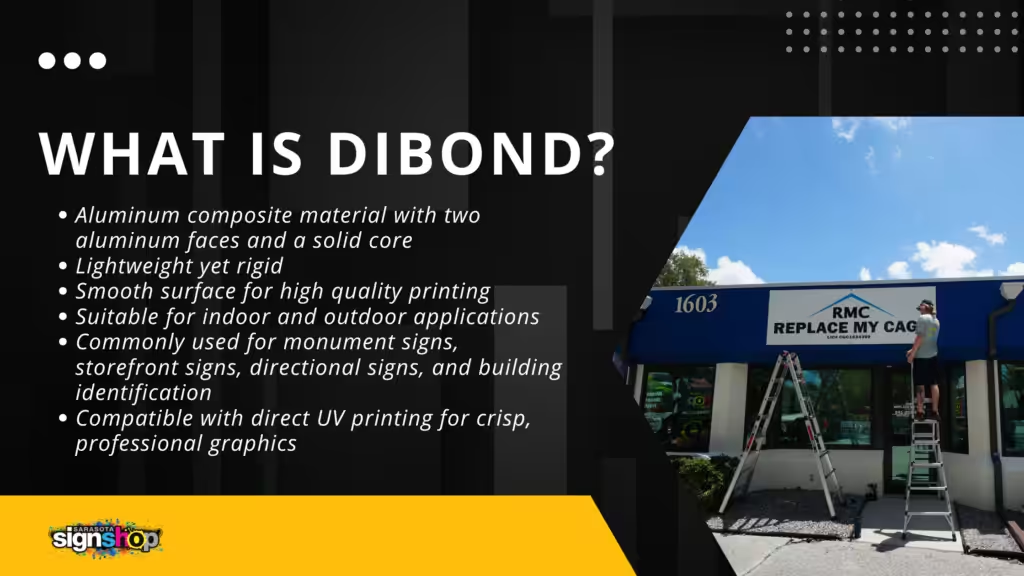
Dibond is an aluminum composite material made from two thin aluminum sheets bonded to a solid core. This combination creates a panel that is lightweight, rigid, and provides a smooth surface for high quality printing.
For business owners, these characteristics translate into practical advantages. Dibond is easier to handle during installation than many heavier materials while remaining stable and resistant to warping under normal commercial conditions. The smooth surface helps produce sharp graphics and consistent colour, making it a popular choice for Dibond signs, printed Dibond signs, and other aluminum composite signs.
Because it combines strength with a clean finish, Dibond has become one of the most widely used business sign materials for both indoor and outdoor commercial applications.
Why Is Dibond One of the Most Popular Materials for Business Signs?
Dibond is popular because it offers durability, professional presentation, and consistent print quality for a wide range of commercial applications.
Businesses often invest in permanent signage that needs to represent their brand every day. Materials used for these signs should remain stable, provide clear graphics, and suit the environment where they are installed.
Dibond performs well because it offers:
- A rigid panel that helps signs stay flat.
- A smooth surface for detailed graphics and vibrant colours.
- A professional appearance suitable for commercial properties.
- Weather resistance for many exterior applications when paired with appropriate production methods.
- Compatibility with modern UV printing technologies.
These advantages make Dibond suitable for outdoor business signs, custom business signs, and many types of commercial signage Sarasota businesses rely on for long term visibility.
Rather than functioning as a temporary display material, Dibond is commonly selected for projects where businesses want a durable, professional finish.
Is Dibond Better Than Solid Aluminum?
There isn’t one material that’s best for every project. The right choice depends on your location, budget, design, installation requirements, and overall project goals.
| Dibond | Solid Aluminum |
| Lightweight | Heavier |
| Smooth printing surface | May require additional finishing depending on the application |
| Excellent rigidity | Extremely durable |
| Popular for commercial signage | Often used for specialised applications |
For many standard commercial signs, Dibond offers an excellent balance between appearance, weight, and durability. Solid aluminum may be preferred for certain specialised projects where different structural requirements apply.
A professional sign company can recommend the most appropriate material after considering where the sign will be installed and how it will be used.
How Long Does Dibond Last Outdoors?
Dibond is designed for outdoor use, but its long term performance depends on several factors.
In Florida, exterior signs are exposed to strong sunlight, humidity, rain, and coastal conditions that can affect many commercial sign materials.
Several factors influence how well a Dibond sign performs over time, including:
- UV exposure
- Weather conditions
- Printing method
- Fabrication quality
- Installation quality
- Routine maintenance
Using high quality UV printed signs, proper fabrication methods, and professional installation can all contribute to long term performance. Rather than focusing on a specific lifespan, businesses should consider the complete sign system when evaluating durability.
What Types of Signs Are Commonly Made with Dibond?
Dibond is used across many different commercial signage applications because it combines durability with excellent print quality.
Monument signs often use Dibond panels to provide long term business identification at entrances to office parks, retail developments, and commercial properties.
Storefront signs use Dibond to display branding clearly while creating a clean, professional appearance for customers approaching the business.
Directional and wayfinding signs installed throughout office parks, schools, healthcare facilities, and parking areas benefit from the material’s rigidity and consistent appearance.
Construction companies frequently choose Dibond for development signs because it provides a stable surface for project information throughout the construction phase.
Commercial real estate professionals use Dibond for leasing signs, property directories, and management signage where professional presentation is important.
Hotels, restaurants, entertainment venues, and retail businesses also use Dibond to support consistent branding across multiple locations.
These applications demonstrate why rigid sign panels made from aluminum composite material have become a common choice for commercial projects.
Can Dibond Be Used Indoors?
Yes. Dibond is commonly used for interior signage as well as exterior applications.
Many businesses choose Dibond for lobby branding, reception signs, conference rooms, office identification, wall panels, and interior directories. Using the same material throughout both indoor and outdoor spaces can help maintain a consistent appearance across the property while supporting overall business branding.
Can Dibond Be Printed Directly?
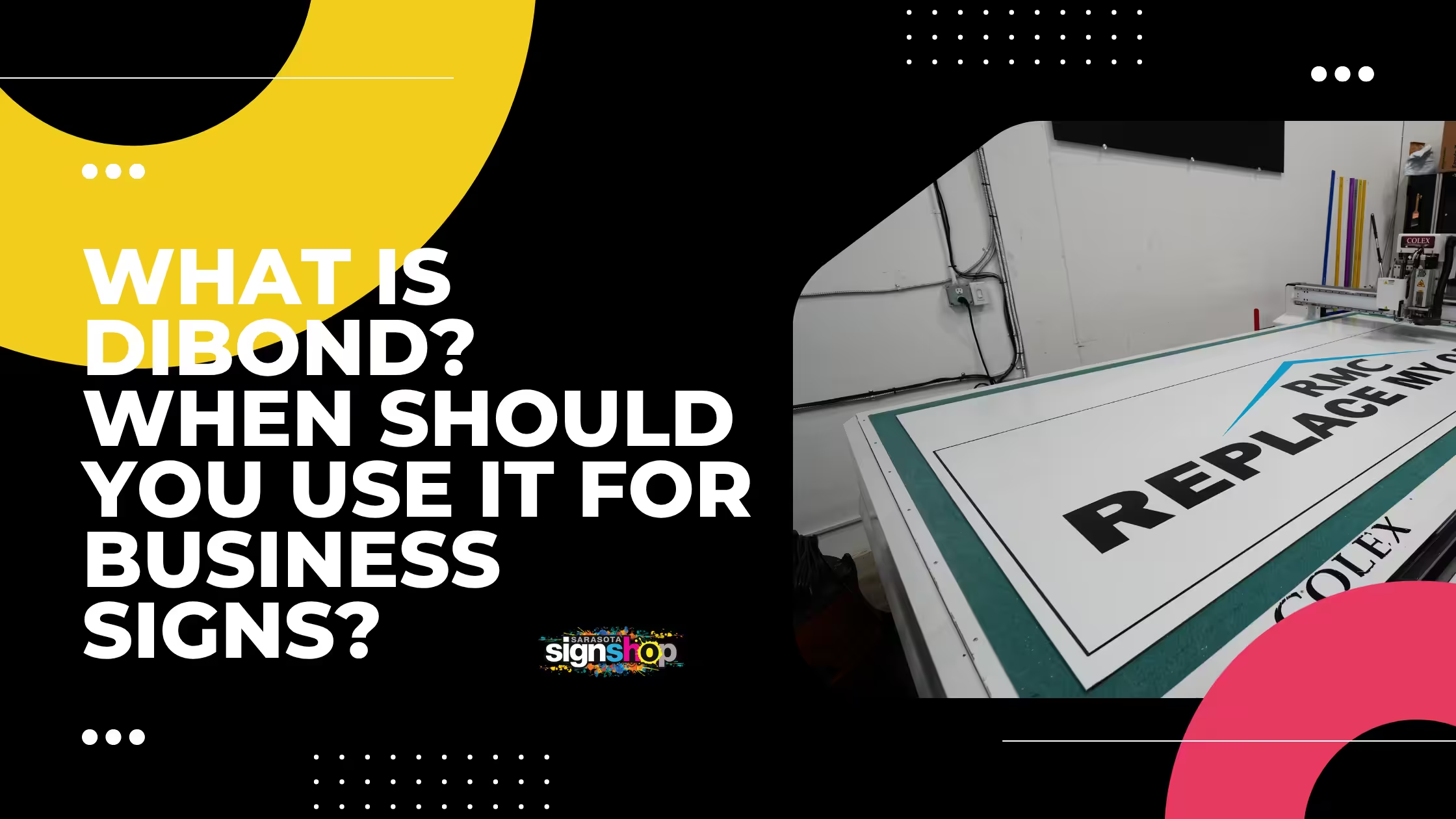
Yes. Dibond can often be printed directly using UV flatbed printing technology, depending on the project requirements.
At Sarasota Sign Shop, many Dibond projects are produced using an in-house EFI flatbed printer rather than applying printed vinyl to every panel. Direct printing can produce crisp graphics, consistent colour, and commercial quality results while reducing additional production steps where appropriate.
Because production is handled in house, Sarasota Sign Shop maintains greater control over design, large format printing, fabrication, laminating where required, contour cutting, and installation. This streamlined workflow supports consistent quality throughout the project while reducing delays that can occur when multiple vendors are involved.
The most suitable production method depends on the intended application, location, and design requirements.
Should You Choose Dibond, PVC, or Acrylic?
There is no single material that is best for every sign project. The right choice depends on how and where the finished sign will be used.
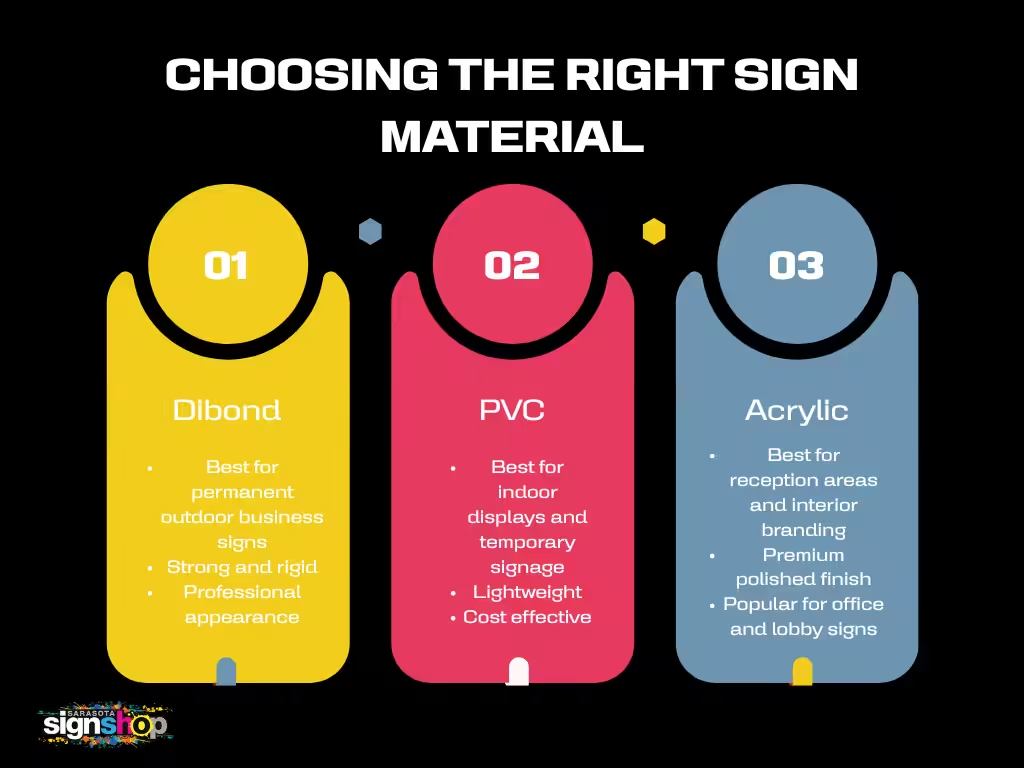
| Material | Common Uses | Strengths |
| Dibond | Outdoor business signs, monument signs, directional signs | Durable, rigid, professional appearance |
| PVC | Indoor signs, temporary displays | Lightweight, economical |
| Acrylic | Lobby signs, reception branding, office interiors | Premium appearance, polished finish |
When comparing Dibond vs PVC, businesses often find that Dibond is better suited to many permanent exterior applications, while PVC is frequently selected for indoor displays or shorter term use.
When comparing Dibond vs acrylic, acrylic is often chosen for decorative interior signage, while Dibond is commonly selected where durability and rigidity are priorities.
A professional sign shop can recommend the most appropriate substrate after considering:
- Indoor or outdoor installation
- Viewing distance
- Budget
- Design objectives
- Installation method
- Long term expectations
Choosing the right material helps ensure the finished sign performs as intended.
Common Misconceptions About Dibond
Several common misconceptions can make it harder for business owners to choose the right sign material. Understanding the facts can help you make a more informed decision.
“Dibond is heavy.”
While Dibond contains aluminum, it is an aluminum composite material that is much lighter than solid aluminum. This makes it easier to handle and install while still providing a rigid surface.
“Dibond is only for outdoor signs.”
Although it is widely used for exterior signage, Dibond is also suitable for interior applications such as lobby signs, directories, wall panels, and office branding.
“Dibond and aluminum are the same thing.”
Dibond is not solid aluminum. It combines two aluminum faces with a solid core to create a lightweight, stable panel designed for commercial signage.
“Every sign shop prints Dibond the same way.”
Production methods vary. Some projects use direct UV printing, while others may use printed vinyl depending on the application. Equipment, fabrication methods, and quality control all affect the finished result.
“Dibond is always the most expensive option.”
Different business sign materials suit different projects. The best choice depends on the intended use, design requirements, installation method, and budget rather than price alone.
“All business signs should use Dibond.”
No single material works for every application. PVC, acrylic, and other substrates each have situations where they may be more appropriate.
Frequently Asked Questions
What is Dibond made from?
Dibond is an aluminum composite material made from two thin aluminum sheets bonded to a solid core. This construction provides rigidity while keeping the panel relatively lightweight.
Does Dibond rust?
The aluminum faces resist rust, but the overall performance of the finished sign depends on the complete sign system, installation, environmental conditions, and ongoing maintenance.
Can Dibond bend?
Dibond is designed to remain rigid for commercial signage. However, experienced sign professionals can fabricate it for certain applications using appropriate techniques.
Can Dibond be mounted directly to walls?
Yes. There are several mounting methods available depending on the building, installation surface, and design requirements. A professional installer can recommend the most suitable option.
Can Dibond fade over time?
The appearance of any exterior sign can change over time depending on sun exposure, weather conditions, printing methods, and maintenance. High quality UV printing and proper fabrication help support long term performance, but no material is immune to environmental conditions.
Conclusion
Understanding what is Dibond helps business owners make better decisions when planning new signage. Dibond has become one of the most widely used commercial sign materials because it offers a combination of rigidity, durability, and a professional finish suitable for many interior and exterior applications. Whether you need outdoor business signs, printed Dibond signs, monument signs, directional signage, or custom business signs, choosing the right material is only one part of a successful project.
Professional design, quality production, and expert installation all influence how your sign performs over time. At Sarasota Sign Shop, every stage of the process, from design and large format printing to EFI flatbed printing, fabrication, laminating, contour cutting, and installation, is completed in house. This integrated approach helps deliver consistent, high quality signage solutions for businesses across Sarasota, Lakewood Ranch, Bradenton, and Venice.
If you’re planning a new signage project and want help selecting the right material, contact Sarasota Sign Shop to discuss your goals and request a quote.